Are you looking for a safer, longer-lasting, and more eco-friendly alternative to traditional batteries? You may have heard about Zn battery technology. While Zn batteries can power many devices, one of their most exciting uses is in data center UPS (uninterruptible power supply) systems – the backup power that keeps servers running during outages. Let’s dive in.
A Zn battery (short for zinc battery) uses zinc as its main material. Zinc is common, affordable, and non‑toxic. Most Zn batteries also use a water‑based internal liquid (electrolyte), which makes them much safer and less likely to catch fire than many other battery types.
When it comes to rechargeable Zn batteries, the most reliable and widely used type is the nickel‑zinc battery (also called Ni‑Zn). It combines zinc with nickel to store and release energy. Nickel‑zinc batteries are known for being safe, powerful, and easy to recycle. They work well in many demanding applications – and especially in data center UPS systems where safety and dependability are critical.
Good Power for Everyday and Critical Use
A Zn battery delivers enough power for most electronics, tools, and even large backup systems. It provides reliable energy without a high price tag. For data center UPS, Zn batteries can kick in instantly during a power failure, keeping servers online.
Much Safer Than Many Alternatives
One of the biggest reasons to choose a Zn battery is safety. Because Zn batteries use a water‑based internal liquid, they will not explode or catch fire like some lithium‑ion batteries can. You don’t have to worry about dangerous overheating – even if the battery is damaged. This is a huge plus for data centers, where a battery fire could be disastrous.
Kind to the Environment
Zn batteries are made from abundant, easy to recycle materials. They contain no toxic heavy metals like cadmium or lead. When a Zn battery reaches the end of its life, most of its parts can be reused.
A brand to know: Gerchamp is one of the companies offering high‑quality Z
n battery products. Our nickel‑zinc batteries are designed for long life, safety, and reliable backup power – making a great fit for data center UPS systems.
Zn Battery vs Lithium‑Ion
Zn Battery vs Lead‑Acid
For data center UPS applications, where safety, longevity, and total cost matter most, Zn battery is an excellent choice over both lead‑acid and lithium‑ion.
The most compelling use for a Zn battery today is data center UPS. A UPS provides emergency power to servers, storage, and networking equipment when the main electricity fails. Even a few seconds of outage can cause data loss or downtime.
Gerchamp are already supplying Zn battery solutions for UPS applications, helping data centers run safely and reliably. If you manage a small server room or a large data center, switching to Zn battery‑based UPS can improve safety and lower your long‑term costs.
Zn batteries, especially the nickel‑zinc type – are a smart, safe, and eco‑friendly choice for many applications. They won’t catch fire like lithium‑ion, they last longer than lead‑acid, and they use common materials that are easy to recycle.
If you are responsible for keeping servers or network equipment running, switching to a Zn battery‑based UPS can give you peace of mind, lower your fire risk, and reduce long‑term costs.
If you’re ready to try Zn batteries, look for trusted brands like Gerchamp that specialize in nickel‑zinc technology. Start by exploring UPS solutions for your server room – you’ll see the safety and savings benefits firsthand. Zn batteries are not just the future; they are a smart choice for today’s critical power needs.
Author:Xu
I am an Energy Storage Technology Expert at the Gerchamp Technology Research Institute. With a focus on next-generation storage technologies and strategic patent layouts, I lead our team’s exploration into the future of energy. I draw on this technical R&D background to provide deep, accurate insights into how energy storage systems operate and evolve. “our team’s exploration into the future of energy. I draw on this technical R&D background to provide deep, accurate insights into how energy storage systems operate and evolve.
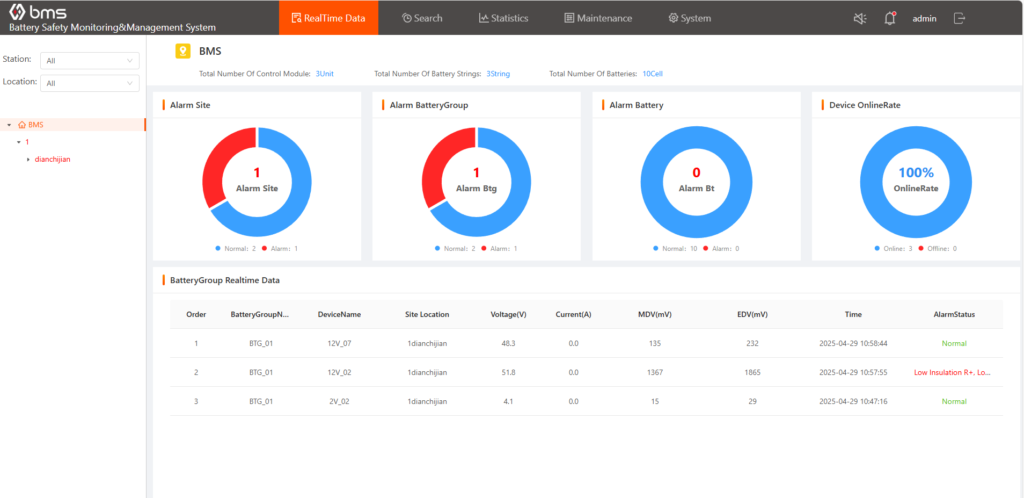
Apply a demo of Gerchamp’s Cloud Platform
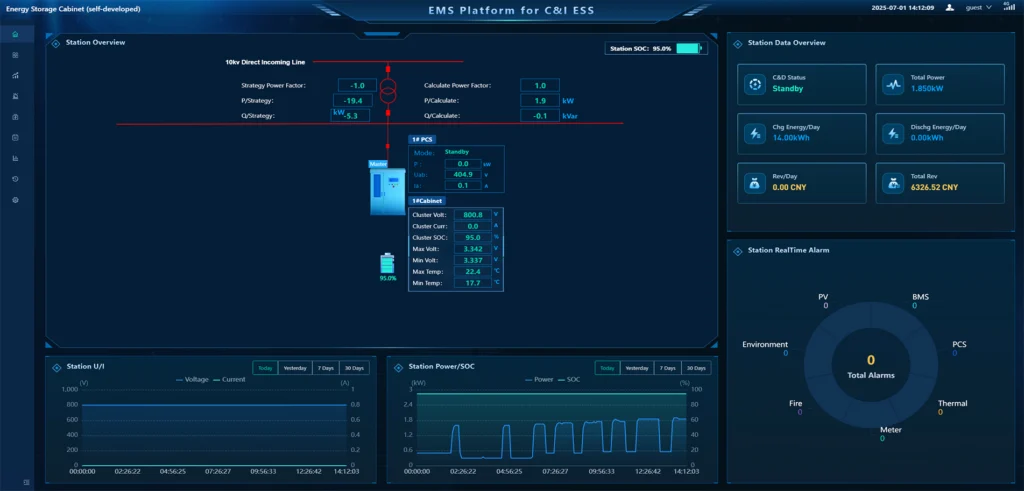
Apply a demo of Gerchamp’s Cloud Platform
 Gerchamp