To ensure uninterrupted connectivity of telecommunications infrastructure, the optimal solution is now well established: high-energy-density, safe, and sustainable battery systems. It’s Nickel-Zincc battery technology.
Conventional lead-acid batteries are heavy and have a frustratingly short lifespan. While lithium-ion batteries offer high energy density, safety concerns regarding thermal runaway persist. In contrast, Nickel-Zinc batteries offer twice the battery density of conventional lead-acid batteries, a long design life, and inherently non-flammable safety. For those operators who are busy deploying high-density 5G macro and micro base stations, turning to Nickel-Zinc technology for reliable backup power is the solution: it can greatly reduce the physical footprint at space-constrained sites, cope with a wider temperature range, and eliminate frequent replacement cycles and complex fire requirements, significantly lowering the total cost of ownership.
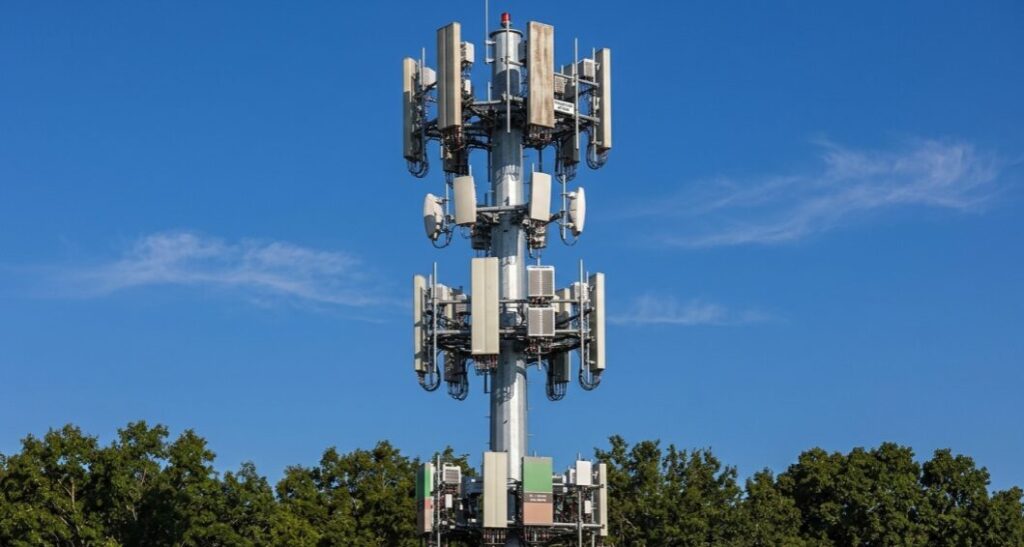
The rapid deployment of 5G technology has fundamentally changed the requirements of the telecommunications infrastructure for backup power. Today’s macro stations and urban micro base stations have greater demand for power, but the space left for equipment is getting smaller and smaller. Traditional energy storage solutions are struggling to meet modern requirements:
In this context, Nickel-Zinc technology has become the best balance for operators who are unwilling to compromise on safety and space.
The high power density of Nickel-Zinc batteries is their standout advantage. Their power density can reach up to twice that of lead-acid batteries.
Using this scheme means:
In telecommunications infrastructure, safety is not negotiable, especially for indoor installations or sites located in densely populated areas. Unlike lithium-based systems, the chemical characteristics of Nickel-Zinc are fundamentally safe and stable.
The best solution to the fire risk problem is to cut off from the source. Nickel-Zinc batteries do not have the risk of catastrophic thermal runaway problems, which means that you do not need to invest in expensive and complex fire infrastructure, not only simplify site design but also lower the initial investment. This safety feature makes it the first choice for critical infrastructure with high uptime and personnel safety requirements.
Telecommunication equipment usually has to operate in a harsh environment without human intervention. Standard battery technology often relies heavily on active air conditioning to prevent performance degradation, which directly drives up operating costs.
Nickel-Zinc batteries are engineered to maintain high efficiency across a broader temperature range. This toughness ensures that the backup power supply remains stable in extremely hot or cold environments, reducing the energy consumption of the site and protecting the hardware from environmental pressures.
When it comes to accounting, the total cost of ownership is the most central metric. Lead-acid batteries are cheap to purchase initially, but their life span in a telecommunications environment is usually only 3 to 5 years, and frequent replacement cycles and maintenance costs are prohibitively high.
The Nickel-Zinc battery provides a long design life. By aligning battery life with the life cycle of the telecommunications equipment itself, operators can:
With the explosion of demand for 5G and high-speed data, telecommunications infrastructure has become more dependent on a powerful backup power source than ever before. Moving to Nickel-Zinc technology is the perfect balance that operators can find between power density, safety and economic efficiency.
For operators looking to future-proof their networks, Nickel-Zinc batteries are definitely not just a “substitute”—they are a decisive solution to modern connectivity problems.
Author:Xu
I am an Energy Storage Technology Expert at the Gerchamp Technology Research Institute. With a focus on next-generation storage technologies and strategic patent layouts, I lead our team’s exploration into the future of energy. I draw on this technical R&D background to provide deep, accurate insights into how energy storage systems operate and evolve.
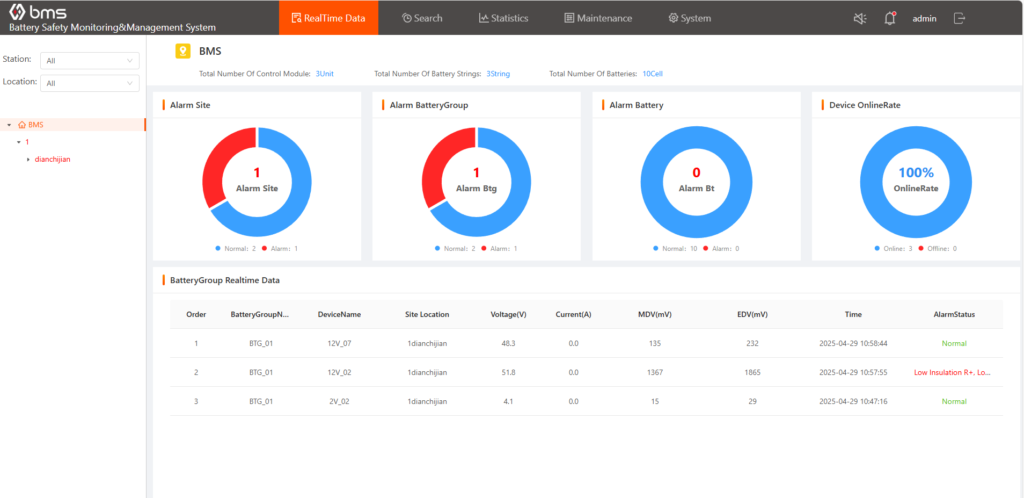
Apply a demo of Gerchamp’s Cloud Platform
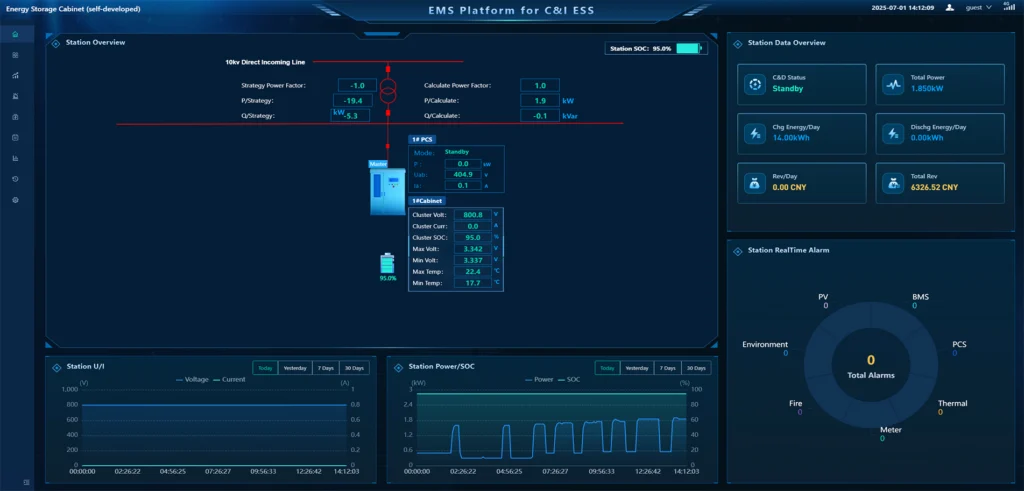
Apply a demo of Gerchamp’s Cloud Platform
 Gerchamp