The Gerchamp battery condition monitoring system uses advanced algorithms to monitor the internal resistance and negative post temperature of the single battery in real time, providing SOC/SOH analysis with 5% accuracy, ensuring reliable operation of the backup power system.
Monitoring voltage:
1.2 to 12 volts
Internal resistance accuracy:
±2% (Repeatability)
Standby current:
3mA
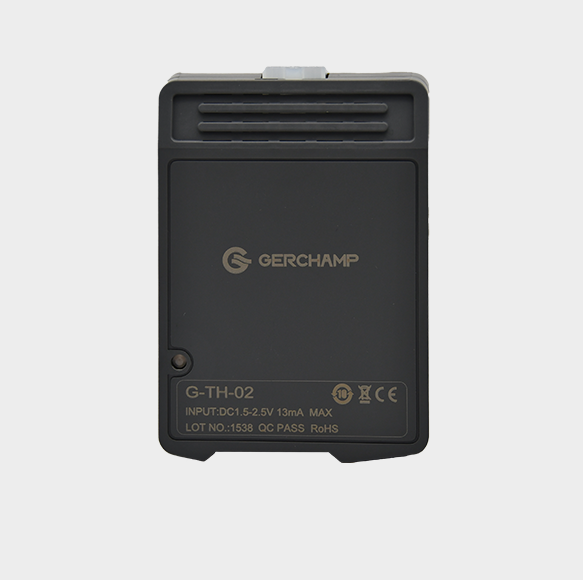
The battery condition monitoring system provides critical power assurance for Tier 3 or Tier 4 data centers. By monitoring thousands of backup batteries in real time through advanced algorithms, the system ensures the high availability of core power systems and meets strict data center safety and compliance standards.

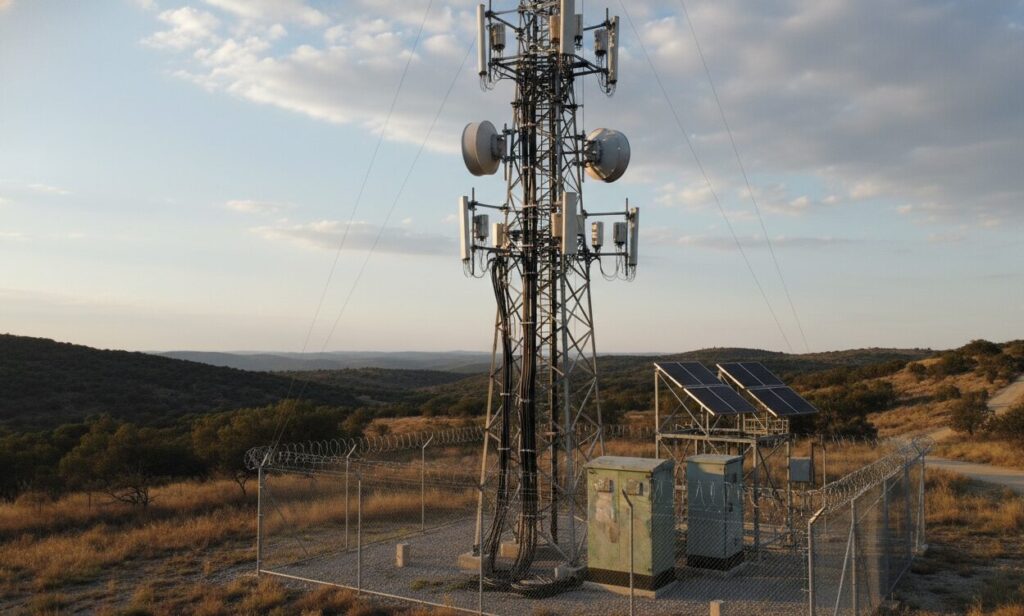
Specifically designed for distributed base station management, the battery condition monitoring system enables centralized monitoring of battery health across vast regions. It identifies aging cells early, allowing maintenance teams to reduce unnecessary site visits and significantly lower operational costs in remote areas.
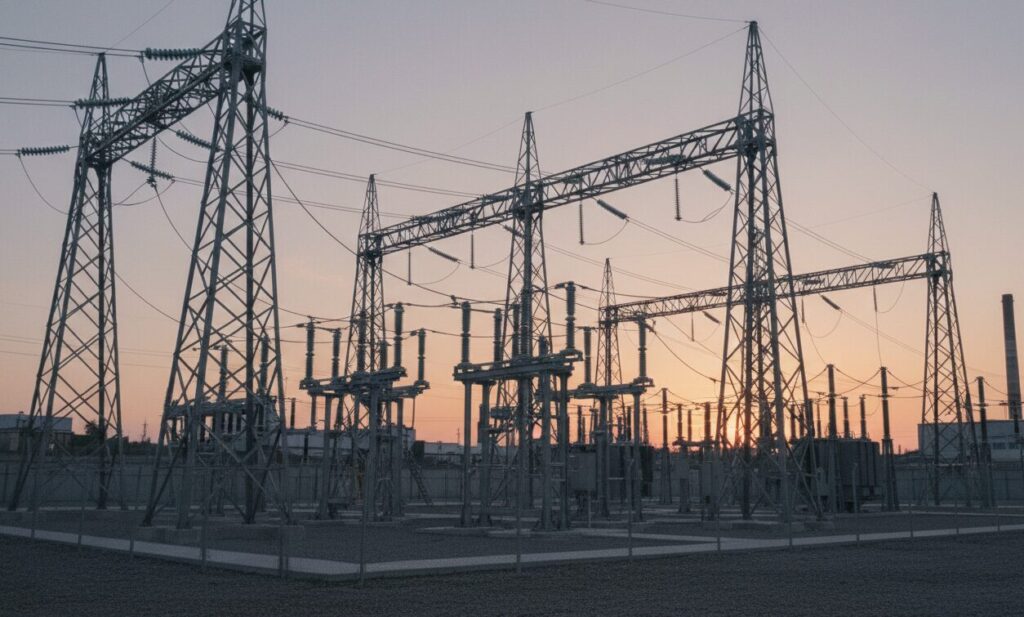
In the high-EMI environment of power substations, the battery condition monitoring system ensures the stability of DC power systems. Its industrial-grade anti-interference design captures accurate battery signals, providing absolute reliability for critical control power supplies during grid switching.
Ideal for subway signal rooms and airport critical facilities, the battery condition monitoring system provides 24-hour online monitoring to replace traditional manual inspections. By recording precise negative post temperature and internal resistance trends, it builds a solid power safety barrier for traffic scheduling and life support systems.


The battery condition monitoring system has a repeated measurement accuracy of ±2%. By capturing the micro-ohm internal resistance change in real time, the system can identify aging cells in advance, avoiding the failure of the whole group and ensuring high reliability.
Relying on comprehensive data models, the battery condition monitoring system monitors the abnormal slope of negative post temperature and internal resistance trends. It triggers alerts at the initial stage of thermal runaway through multi-dimensional analysis, providing critical security response times.
This battery condition monitoring system combines filtering and logic analysis technology to realize a health prediction accuracy of ±5% (under 1C discharge to 10.4V conditions). This completely solves the industry pain point of inaccurate estimation of standby power duration.
The standby current of the battery condition monitoring system is only 3mA. This micro-power design significantly reduces the parasitic power consumption loss of the battery pack and prevents battery activity attenuation.
Designed with fully isolated circuits, the battery condition monitoring system meets industrial EMC standards. Even in strong electromagnetic interference environments, data acquisition remains stable.
With the battery condition monitoring system, teams can realize unified monitoring of global sites. The system automatically generates standardized analysis reports and discharge curves, enabling efficient preventive digital management.
| Parameter classification | Parameter name | Detailed Specifications |
| Monitoring objects | Applicable battery cells | 1.2V, 2V, 6V, 12V lead-acid batteries |
| Monitoring performance | Individual voltage accuracy | ±0.1% |
| Monitoring performance | Internal resistance repeatability | ±2% (50~65535μΩ) |
| Monitoring performance | Negative post temperature accuracy | ±1°C (at 25°C) |
| State prediction | SOC/SOH accuracy | ±5% (under 1C discharge to 10.4V conditions) |
| Electrical characteristics | Standby current | 3mA |
| Electrical characteristics | Operating temperature | -20 to +60°C |
| Communication | Physical interface | RS485, Ethernet port (LAN) |
| Security | Certification | CE, UL, REACH, RoHS |
The Gerchamp battery condition monitoring system introduces an advanced internal resistance trend analysis algorithm and dynamic filtering technology. Unlike simple equipment that only provides voltage monitoring, Gerchamp can extract real electrochemical characteristics from complex ripples, ensuring an extremely low false alarm rate. In terms of safety, the battery condition monitoring system adopts a distributed isolation design. Even if a module is damaged under extreme overvoltage, the protection mechanism ensures it is physically disconnected from the battery cell, preventing fire accidents.
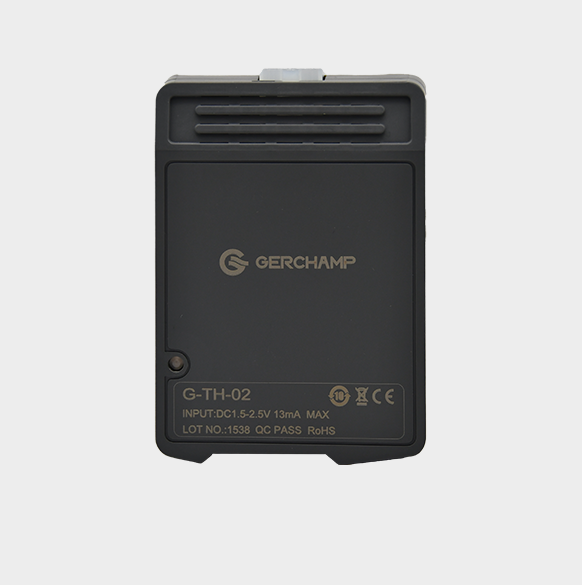

By using negative post temperature sensing and multi-parameter analysis, the system triggers alarms at the initial stage of risk.
The Gerchamp battery condition monitoring system uses advanced algorithms to monitor the internal resistance and negative post temperature of the single battery in real time, providing SOC/SOH analysis with 5% accuracy, ensuring reliable operation of the backup power system.
1.2 to 12 volts
Monitoring voltage:
±2% (Repeatability)
Internal resistance accuracy:
3mA
Standby current:
The battery condition monitoring system has a repeated measurement accuracy of ±2%. By capturing the micro-ohm internal resistance change in real time, the system can identify aging cells in advance, avoiding the failure of the whole group and ensuring high reliability.
Relying on comprehensive data models, the battery condition monitoring system monitors the abnormal slope of negative post temperature and internal resistance trends. It triggers alerts at the initial stage of thermal runaway through multi-dimensional analysis, providing critical security response times.
This battery condition monitoring system combines filtering and logic analysis technology to realize a health prediction accuracy of ±5% (under 1C discharge to 10.4V conditions). This completely solves the industry pain point of inaccurate estimation of standby power duration.
The standby current of the battery condition monitoring system is only 3mA. This micro-power design significantly reduces the parasitic power consumption loss of the battery pack and prevents battery activity attenuation.
Designed with fully isolated circuits, the battery condition monitoring system meets industrial EMC standards. Even in strong electromagnetic interference environments, data acquisition remains stable.
With the battery condition monitoring system, teams can realize unified monitoring of global sites. The system automatically generates standardized analysis reports and discharge curves, enabling efficient preventive digital management.
| Parameter classification | Parameter name | Detailed Specifications |
| Monitoring objects | Applicable battery cells | 1.2V, 2V, 6V, 12V lead-acid batteries |
| Monitoring performance | Individual voltage accuracy | ±0.1% |
| Monitoring performance | Internal resistance repeatability | ±2% (50~65535μΩ) |
| Monitoring performance | Negative post temperature accuracy | ±1°C (at 25°C) |
| State prediction | SOC/SOH accuracy | ±5% (under 1C discharge to 10.4V conditions) |
| Electrical characteristics | Standby current | 3mA |
| Electrical characteristics | Operating temperature | -20 to +60°C |
| Communication | Physical interface | RS485, Ethernet port (LAN) |
| Security | Certification | CE, UL, REACH, RoHS |
The battery condition monitoring system provides critical power assurance for Tier 3 or Tier 4 data centers. By monitoring thousands of backup batteries in real time through advanced algorithms, the system ensures the high availability of core power systems and meets strict data center safety and compliance standards.
Specifically designed for distributed base station management, the battery condition monitoring system enables centralized monitoring of battery health across vast regions. It identifies aging cells early, allowing maintenance teams to reduce unnecessary site visits and significantly lower operational costs in remote areas.
In the high-EMI environment of power substations, the battery condition monitoring system ensures the stability of DC power systems. Its industrial-grade anti-interference design captures accurate battery signals, providing absolute reliability for critical control power supplies during grid switching.
Ideal for subway signal rooms and airport critical facilities, the battery condition monitoring system provides 24-hour online monitoring to replace traditional manual inspections. By recording precise negative post temperature and internal resistance trends, it builds a solid power safety barrier for traffic scheduling and life support systems.
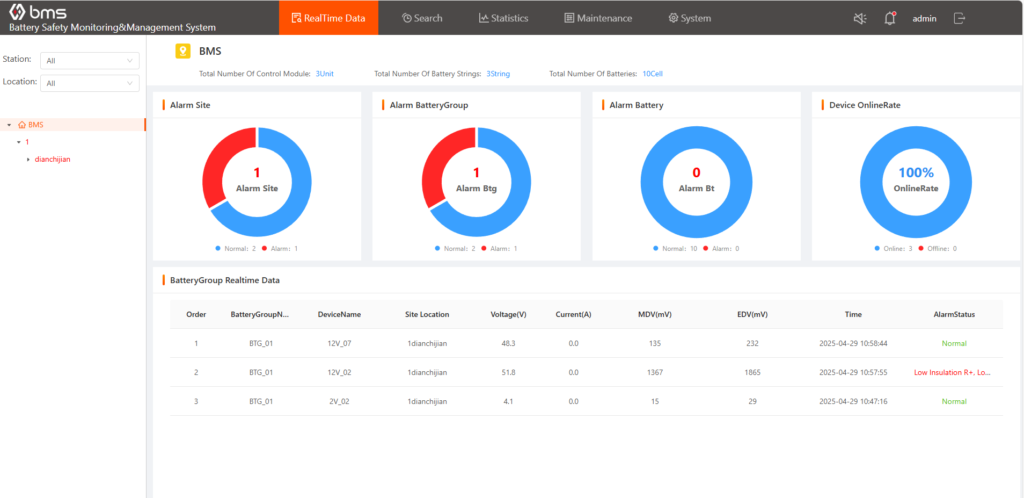
Apply a demo of Gerchamp’s Cloud Platform
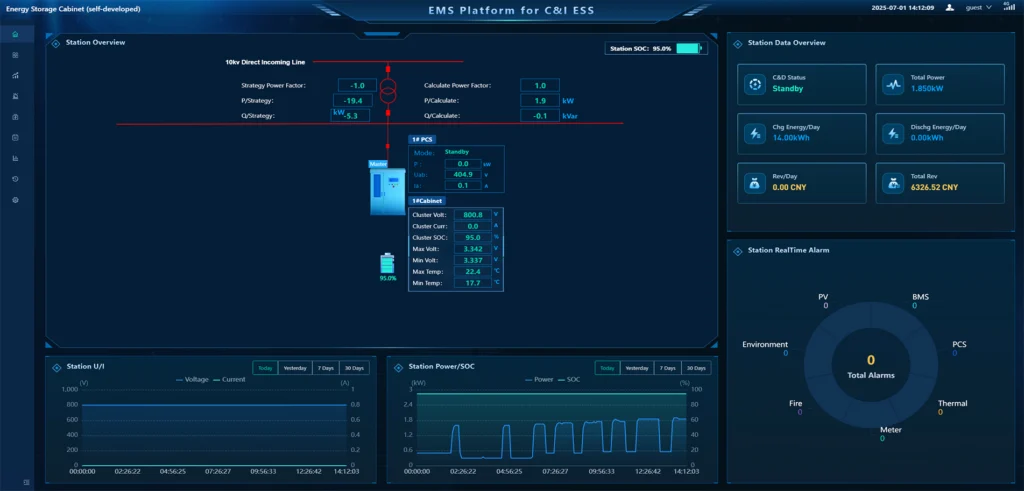
Apply a demo of Gerchamp’s Cloud Platform
 Gerchamp