For modern hyperscale data centers and AI computing facilities, ensuring that the power supply never drops is a non-negotiable standard. However, optimizing your data center backup power strategy starts long before the equipment is installed—it begins with choosing the right battery chemical material. Facility managers are no longer just looking for a static passive “safety net.” As computing densities rise and rack power requirements surge, evaluating the fundamental chemistry of your Uninterruptible Power Supply (UPS)—Lead-Acid, Lithium-Ion, or Nickel-Zinc—has become the most critical strategic decision in data center design.
For decades, lead-acid batteries were almost the default option for data center UPS arrays. The initial cost is low, and the performance is well known. But in today’s large-scale computer room, its physical shortcomings are too glaring. Lead-acid batteries are too heavy and take up too much space-you know, every square meter in the computer room could have put profitable IT equipment. In addition, the short life span leads to frequent replacement, coupled with the environmental pressure brought about by the toxicity of lead and the stringent refrigeration requirements, the operation and maintenance burden and hidden costs behind it are actually a shock.
In order to solve the occupation and load-bearing, many computer rooms later switched to lithium batteries. High energy density, space saving and long life cycle. But this chemical has introduced an extremely fatal weakness into the engine room: security. The risk of lithium battery thermal runaway is really a headache, and the fire caused by it is extremely difficult to extinguish. To use lithium in a dense IT environment, you have to spend a lot of money on advanced fire protection, strict thermal management and explosion-proof enclosures, and these extra minutes offset the initial O & M dividends it brings.
The industry has long sought a solution that combines the advantages of both lead-acid and lithium batteries. Nickel-zinc (NiZn) batteries are now emerging as an innovative dark horse. This technology is almost tailor-made for the high-risk, high-demand environment of the modern data center, and is a paradigm shift in critical power backup. After switching to the nickel-zinc route, we can get several very hard-core advantages:
In the end, upgrading the battery strategy of the data center is essentially a math problem of controlling risk and filling up the efficiency of the facility. Crossing the physical limitations of lead-acid and getting rid of the safety anxiety of lithium batteries is the solution to truly make infrastructure future-oriented. Nickel-zinc batteries currently give the most certain answer-to combine the three advantages of uncompromising safety, explosive power output and green environmental protection together to ensure that the key businesses in our hands run steadily and never Power off.
Author: Mr. Zhang
I am a Nickel-Zinc Battery System Engineer at Gerchamp, with 10+ years working experience in battery industry.
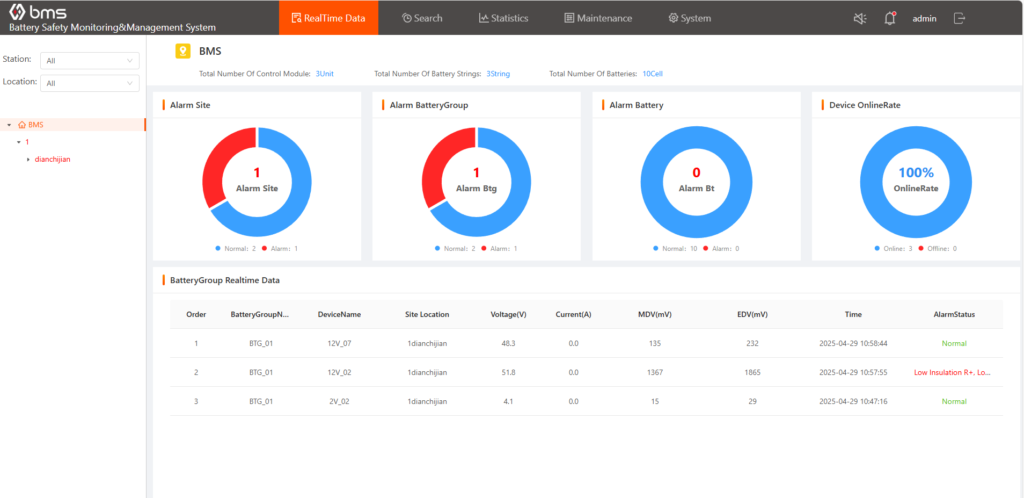
Apply a demo of Gerchamp’s Cloud Platform
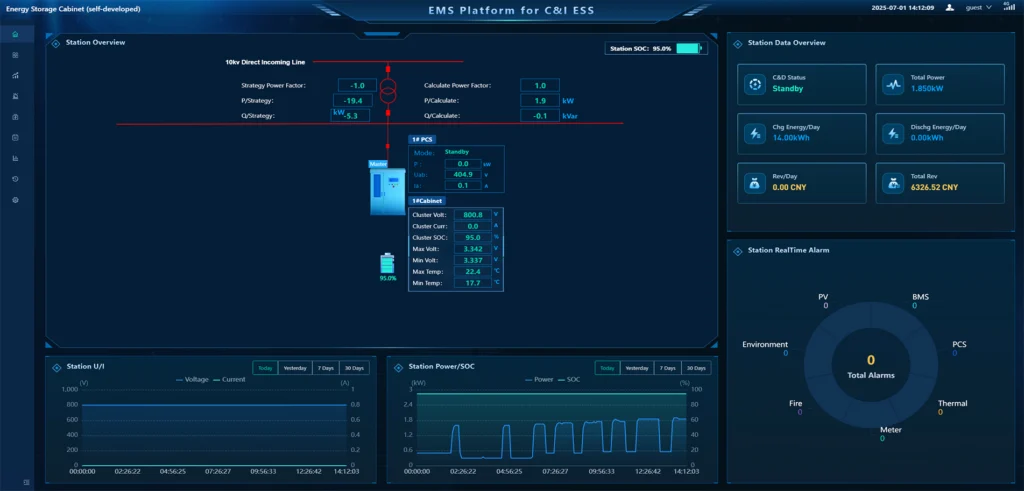
Apply a demo of Gerchamp’s Cloud Platform
 Gerchamp