As critical loads become increasingly dependent on uninterrupted power, backup power systems are now an indispensable part of the energy infrastructure. For years, lead-acid and lithium-ion batteries have been the mainstream solutions, offering advantages in cost and energy density, respectively. However, in the face of more complex application scenarios, both have begun to show inherent limitations.
In this context, Nickel-Zinc (NiZin) batteries — a technology that combines high safety with strong power output — are re-entering the industry spotlight as a key force in reshaping the backup power landscape.
Nickel-Zinc batteries are a type of aqueous rechargeable battery that uses a non-flammable electrolyte, with nickel hydroxide as the cathode and metallic zinc as the anode. Compared to other chemistries, Nickel-Zinc batteries offer several differentiated advantages that are naturally suited for backup power applications:
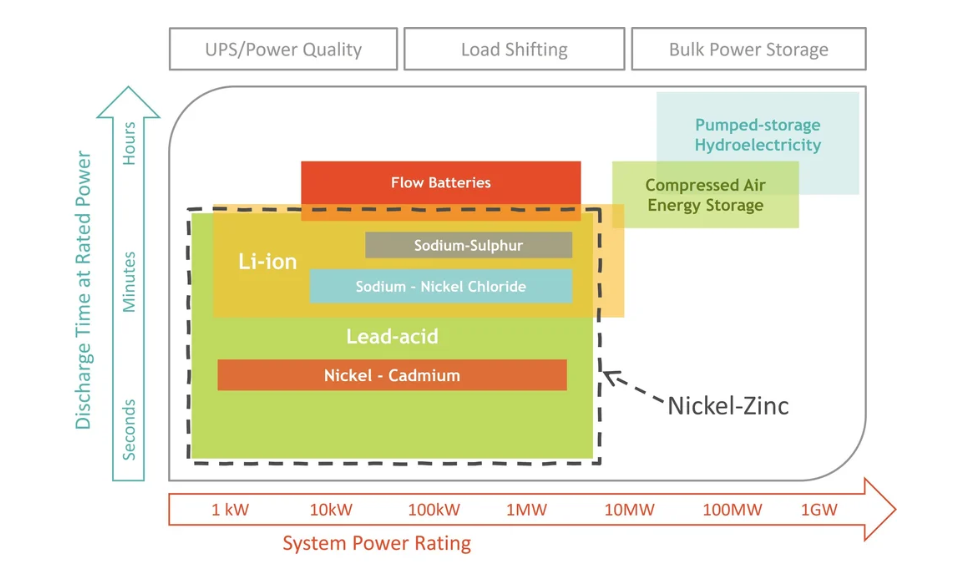
Wide Usability of Nickel-Zinc Technology in Batteries
Nickel-Zinc batteries are not designed to compete head-to-head with lithium-ion or lead-acid across all energy storage applications. Instead, they precisely target sectors that demand the highest standards in safety, responsiveness, and operational reliability — such as data centers, industrial campuses, railway systems, and critical infrastructure.
Within the specific field of backup power, each battery technology has its strengths and weaknesses. Nickel-Zinc distinguishes itself with a unique balance of safety, flexibility, and cost efficiency.
Rather than emphasizing energy density, Nickel-Zinc focuses on serving high-demand sectors where safety, response time, and ease of maintenance are critical. In these environments, it’s often not “one of the options,” but “the right fit.”
As green development, safety compliance, and automated operations become the dominant themes in global energy systems, backup power technologies must evolve. Nickel-Zinc batteries, with their practical advantages and growing market maturity, are quietly transitioning from a niche innovation to a strategic choice.
It is important to emphasize that Nickel-Zinc is not positioned to challenge lithium in consumer electronics or grid-scale storage, nor is it a direct replacement for lead-acid in low-cost deployments. Its value lies in its professional application focus, engineering-grade safety, and low-maintenance operation — making it a reliable new solution for mission-critical backup power scenarios.
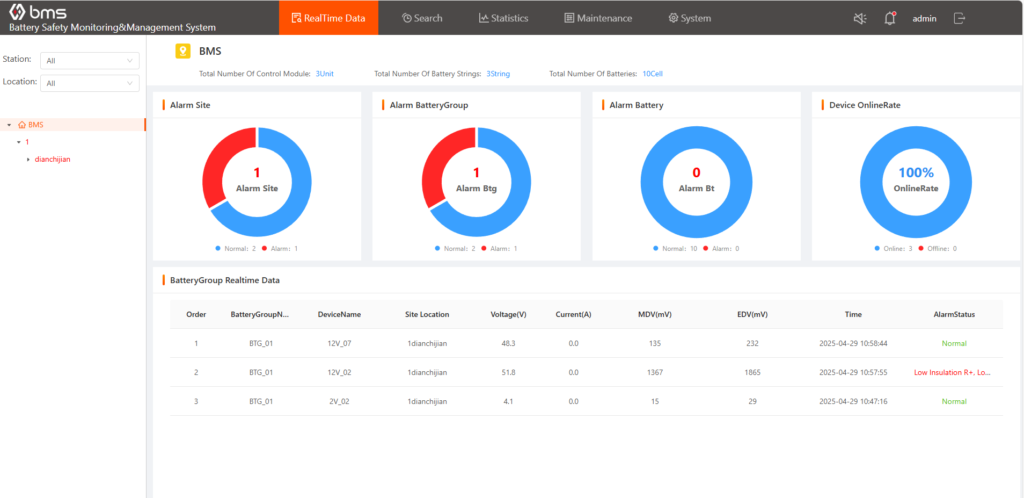
Apply a demo of Gerchamp’s Cloud Platform
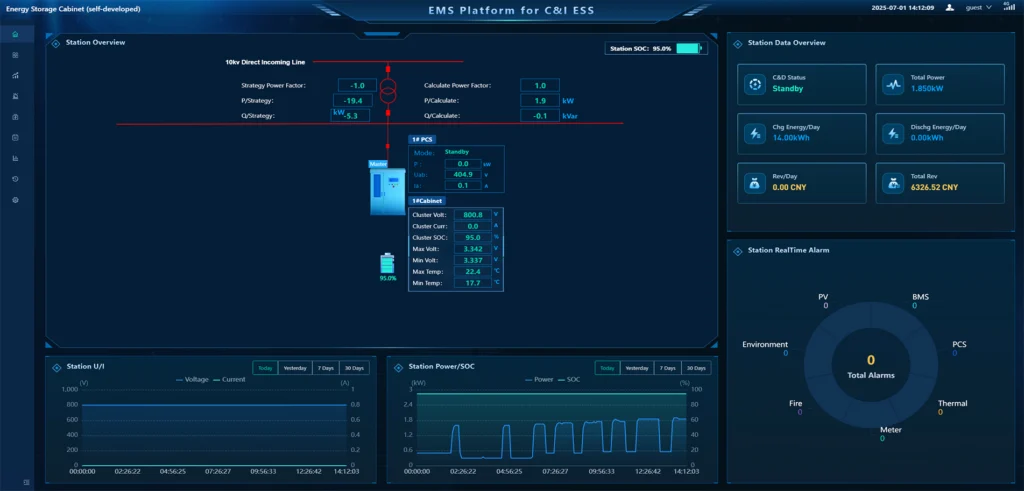
Apply a demo of Gerchamp’s Cloud Platform
 Gerchamp