The ultimate solution to fix the finance industry backup power is actually very clear: a multi-level 2N redundant architecture must be built. At the heart of this architecture is the deep integration of high-performance uninterruptible power supplies, intelligent battery monitoring systems, and advanced high-rate discharge energy storage devices.
In the face of the current high-intensity trading floors, the traditional VRLA lead-acid batteries are already a bit inadequate. This kind of scenario must give priority to Nickel-zinc batteries with 3C discharge, because its power density and thermal stability are indeed more advantageous. This comprehensive approach ensures “zero-second” switching in the event of voltage fluctuations or grid outages. Through real-time preventive maintenance, we can directly cut off the risk of “hidden failure” in the aging battery string.
In the financial world, even a millisecond delay or outage can lead to astronomical losses of money. The standard N+1 redundancy is not enough in front of the core business. A set of anti-fighting backup power solutions for the financial industry strategy, the core pillar must be 2N redundant architecture. This means that you have two completely independent power distribution systems, each with the ability to independently support the entire data center or trading floor at full load.
In this two-way framework with high-efficiency UPS, the organization can really confidently guarantee to ensure “zero second switching”. When there is a drop in the main grid or a complete power outage, the 2N system can instantly pull power from the second path. The server hardware is completely unaware of any fluctuations, which is an absolute lifeline for maintaining the continuity of high-frequency trading and the integrity of the core bank database.
In the past, people used to use lead-acid batteries, but now it seems that it has become increasingly difficult to meet the standards of the modern financial industry. Especially for Tier 4 such a high-density environment, replacing the battery with a 3C discharge Nickel-zinc battery is an upgrade.
Even when batteries appear fully charged under normal conditions, the whole battery will have to be finished as long as one battery cell fails at the critical moment. If you want to solve this problem, you can integrate a smart battery management system from Gerchamp.
Modern BMS technology already enables real-time preventive maintenance. By constantly monitoring the internal resistance, voltage and temperature of each battery cell, the system can give an early warning several weeks before a fault occurs. This proactive strategy can turn the power infrastructure from a “repair-only” cost pit to a “risk-predicting” digital asset, ensuring that your backup power system can be pulled out and topped at any time.
The adoption of this scheme, which integrates 2N architecture, high-rate 3C Nickel-Zinc battery and intelligent BMS, is essentially to perfectly respond to these audit needs. It not only provides proof of reliability, but also leaves a detailed redundancy data record. This is not only dealing with power outages, but also protecting the organization from the risk of legal compliance and reputational damage.
Author:Xu
I am an Energy Storage Technology Expert at the Gerchamp Technology Research Institute. With a focus on next-generation storage technologies and strategic patent layouts, I lead our team’s exploration into the future of energy. I draw on this technical R&D background to provide deep, accurate insights into how energy storage systems operate and evolve.
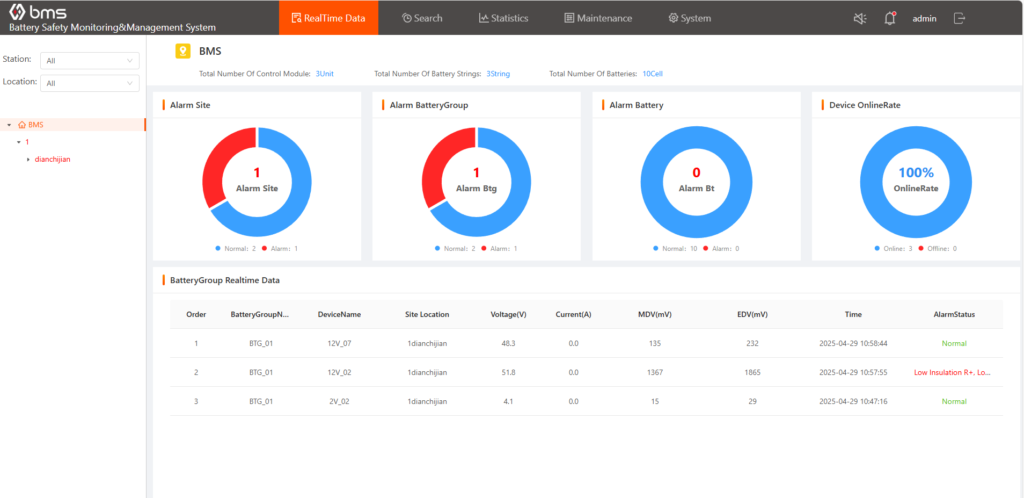
Apply a demo of Gerchamp’s Cloud Platform
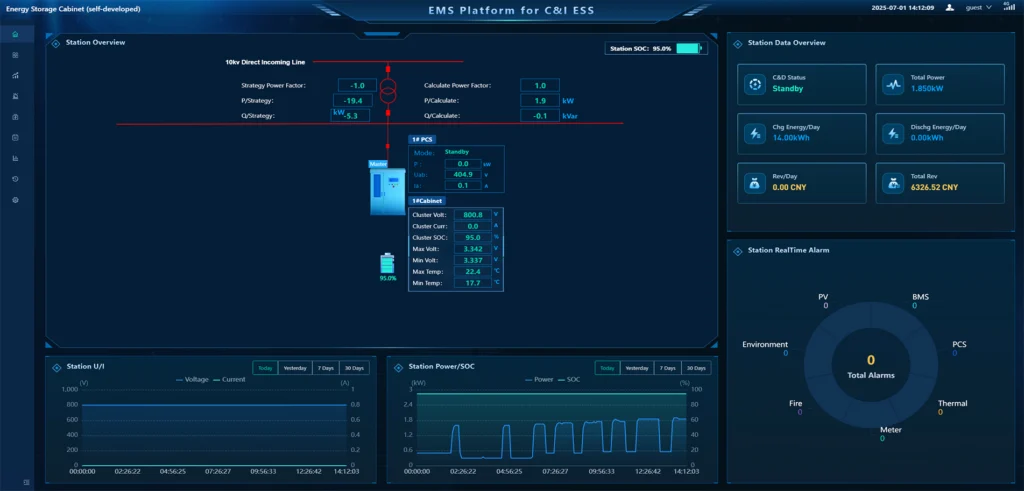
Apply a demo of Gerchamp’s Cloud Platform
 Gerchamp