The Gerchamp lead-acid battery monitoring system features advanced intelligent algorithm analysis for thermal runaway early warning and high-precision state-of-health monitoring, providing reliable safeguards for the backup power systems in data centers.
Maximum Management Scale
600 cells
Operating Current
As low as 3mA
SOC Accuracy
±5%
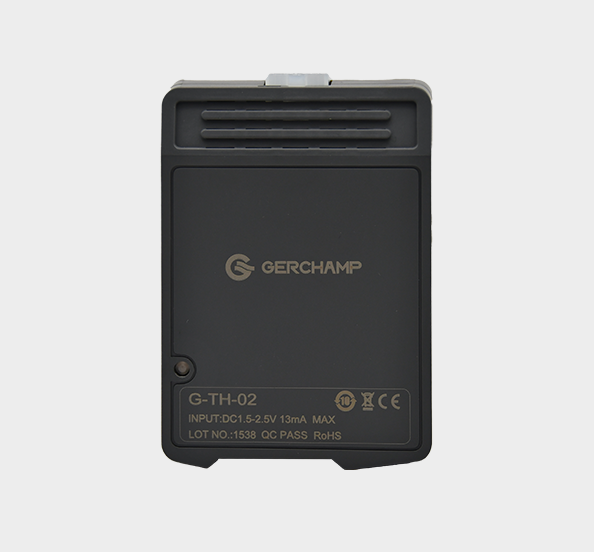
Data centers require zero-tolerance protection against power outages. In this scenario, the system provides 24h real-time health tracking, ensuring that core servers receive safe DC power backup even when the mains power is abnormal.
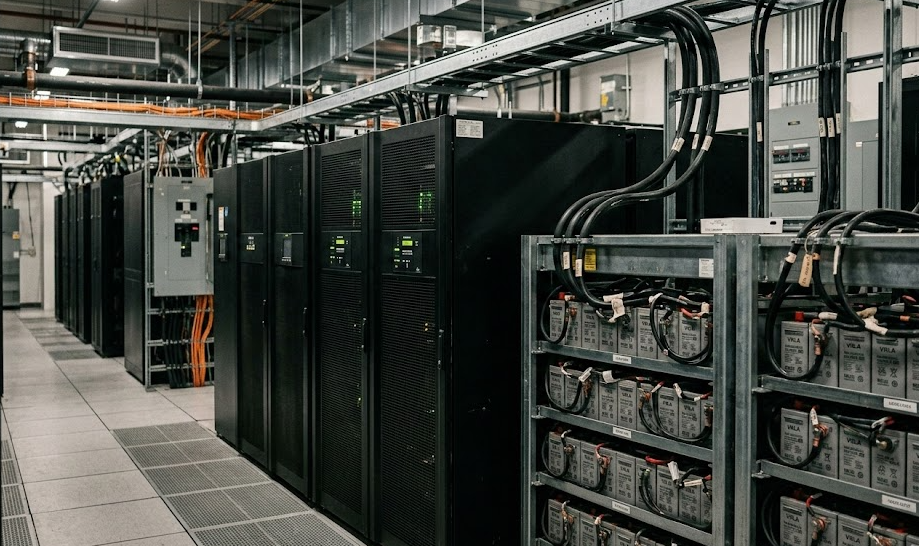
Signal and control equipment in rail transit is highly dependent on stable DC power. With high-standard anti-electromagnetic interference certification, the system is ideal for monitoring battery status in complex electromagnetic environments like trains and stations.
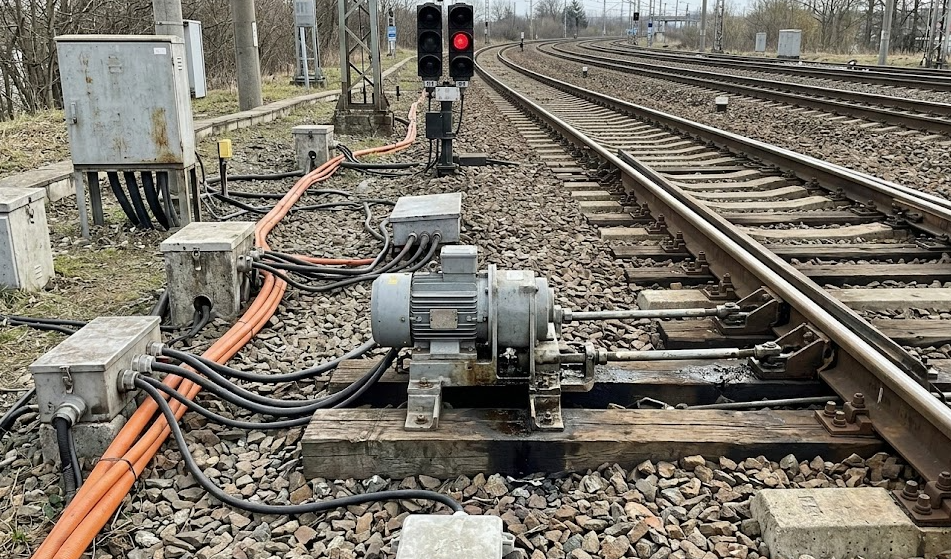
The production environment in the petrochemical industry demands extreme fire safety. The system’s thermal runaway warning mechanism identifies aging batteries with fire risks in advance, ensuring the safety of key area equipment and preventing production shutdowns.

For infrastructure requiring high continuity, the system’s high-precision (±0.1% voltage error) data helps managers accurately locate degraded cells, ensuring the absolute reliability of the backup power array.
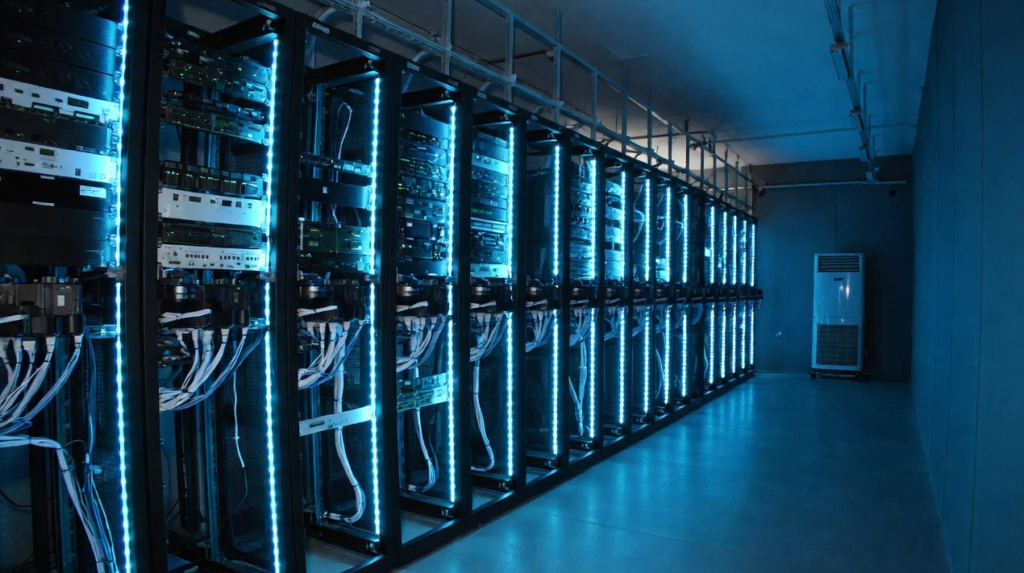

The system analyzes float charging current and temperature changes to predict and prevent thermal runaway in advance. This inherently avoids the risk of fire or explosion, ensuring the reliable operation of key area equipment and backup power supplies.
The G-TH module adopts an advanced low-power circuit design, which at its lowest can maintain a consistent operating current of 3mA during 24h real-time monitoring. This minimizes the additional load on the battery under test, thereby extending its service life.
The system delivers exceptionally accurate remaining capacity and health state analysis, with SOC/SOH accuracy of ±5%. This precision enables facility managers to implement targeted maintenance and predictive component replacement.
The product comes standard with multiple wired network and dry-contact interfaces, supporting MODBUS/RTU, TCP, and SNMP. It can be seamlessly integrated into third-party data center centralized monitoring platforms, reducing deployment costs.
The core components boast a mean time between failures (MTBF) of 100,000 hours. The product has successfully passed multiple international certifications (CE, REACH, UL), enabling it to operate reliably in harsh environments with strong electromagnetic interference.
A single system can manage up to six independent string circuits, with a total of 600 lead-acid battery cells connected. This design features a high energy density that significantly saves cabinet deployment space compared to traditional monitoring solutions.
| Project | Parameter Name | Parameter Value |
| Operating environment | Operating temperature | -20 to +60°C; Altitude: 0 to 2000m |
| Operating environment | Relative humidity | 5% to 95% (non-condensing) |
| Reliability indicators | Automatic restart trigger | Built-in WDT (Watchdog Timer) |
| Reliability indicators | MTBF | 100,000 hours |
| Industry Certification | Standards | CE, REACH, UL, EN61010 |
| System performance | Max management scale | 6 strings, total 600 cells |
| Communication interface | Support Protocol | MODBUS/RTU, TCP, SNMP protocols |
| Measurement accuracy | Individual voltage | Compatible with 1.2V, 2V, 6V, 12V; Error ±0.1% |
| Measurement accuracy | Internal resistance | 50 to 65535 μΩ; Repeatability error ±2% |
| Measurement accuracy | Pole temperature | -5 to +99.9°C; Error ±1°C |
| Power consumption | G-TH series modules | Fixed 3mA operating current (24h monitoring) |
Compared to basic data acquisition devices, the Gerchamp system integrates intelligent algorithms that can predict battery degradation trends. This allows operations teams to proactively prevent issues rather than passively responding to alarms, thus gaining valuable emergency response time.
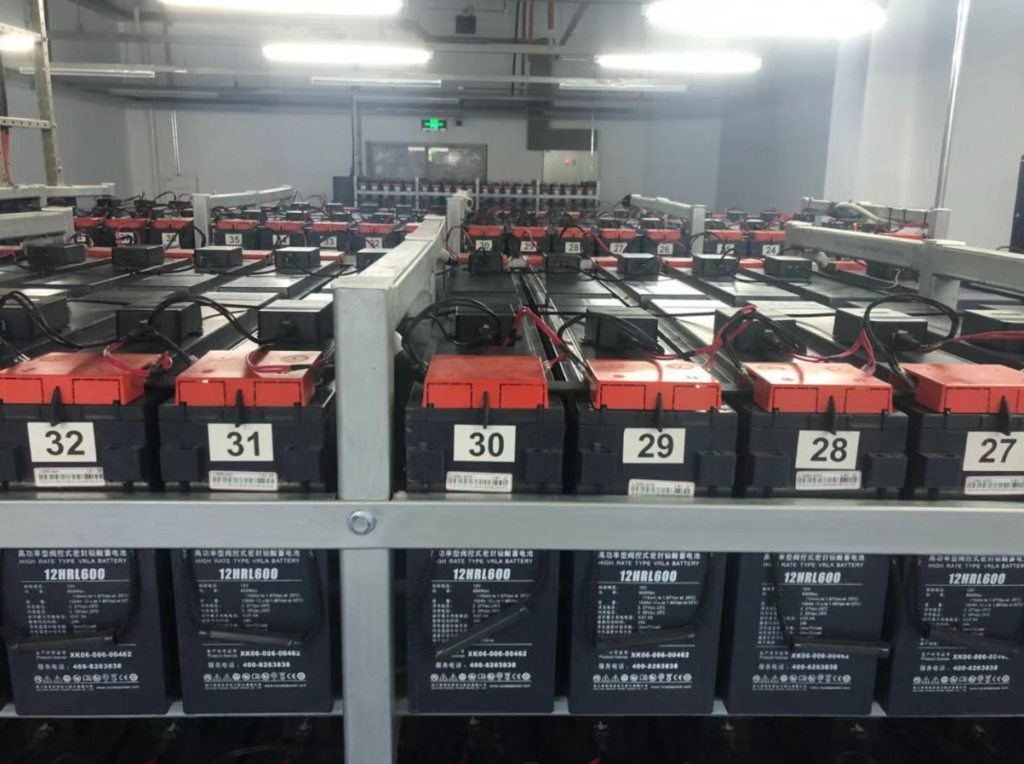

Unlike basic acquisition devices, the Gerchamp system integrates intelligent algorithms that can predict battery degradation trends. This allows operations teams to proactively prevent issues rather than passively responding to alarms.
The Gerchamp lead-acid battery monitoring system features advanced intelligent algorithm analysis for thermal runaway early warning and high-precision state-of-health monitoring, providing reliable safeguards for the backup power systems in data centers.
600 cells
Maximum Management Scale
As low as 3mA
Operating Current
±5%
SOC Accuracy
The system analyzes float charging current and temperature changes to predict and prevent thermal runaway in advance. This inherently avoids the risk of fire or explosion, ensuring the reliable operation of key area equipment and backup power supplies.
The G-TH module adopts an advanced low-power circuit design, which at its lowest can maintain a consistent operating current of 3mA during 24h real-time monitoring. This minimizes the additional load on the battery under test, thereby extending its service life.
The system delivers exceptionally accurate remaining capacity and health state analysis, with SOC/SOH accuracy of ±5%. This precision enables facility managers to implement targeted maintenance and predictive component replacement.
The product comes standard with multiple wired network and dry-contact interfaces, supporting MODBUS/RTU, TCP, and SNMP. It can be seamlessly integrated into third-party data center centralized monitoring platforms, reducing deployment costs.
The core components boast a mean time between failures (MTBF) of 100,000 hours. The product has successfully passed multiple international certifications (CE, REACH, UL), enabling it to operate reliably in harsh environments with strong electromagnetic interference.
A single system can manage up to six independent string circuits, with a total of 600 lead-acid battery cells connected. This design features a high energy density that significantly saves cabinet deployment space compared to traditional monitoring solutions.
| Project | Parameter Name | Parameter Value |
| Operating environment | Operating temperature | -20 to +60°C; Altitude: 0 to 2000m |
| Operating environment | Relative humidity | 5% to 95% (non-condensing) |
| Reliability indicators | Automatic restart trigger | Built-in WDT (Watchdog Timer) |
| Reliability indicators | MTBF | 100,000 hours |
| Industry Certification | Standards | CE, REACH, UL, EN61010 |
| System performance | Max management scale | 6 strings, total 600 cells |
| Communication interface | Support Protocol | MODBUS/RTU, TCP, SNMP protocols |
| Measurement accuracy | Individual voltage | Compatible with 1.2V, 2V, 6V, 12V; Error ±0.1% |
| Measurement accuracy | Internal resistance | 50 to 65535 μΩ; Repeatability error ±2% |
| Measurement accuracy | Pole temperature | -5 to +99.9°C; Error ±1°C |
| Power consumption | G-TH series modules | Fixed 3mA operating current (24h monitoring) |
Data centers require zero-tolerance protection against power outages. In this scenario, the system provides 24h real-time health tracking, ensuring that core servers receive safe DC power backup even when the mains power is abnormal.
Signal and control equipment in rail transit is highly dependent on stable DC power. With high-standard anti-electromagnetic interference certification, the system is ideal for monitoring battery status in complex electromagnetic environments like trains and stations.
The production environment in the petrochemical industry demands extreme fire safety. The system’s thermal runaway warning mechanism identifies aging batteries with fire risks in advance, ensuring the safety of key area equipment and preventing production shutdowns.
For infrastructure requiring high continuity, the system’s high-precision (±0.1% voltage error) data helps managers accurately locate degraded cells, ensuring the absolute reliability of the backup power array.
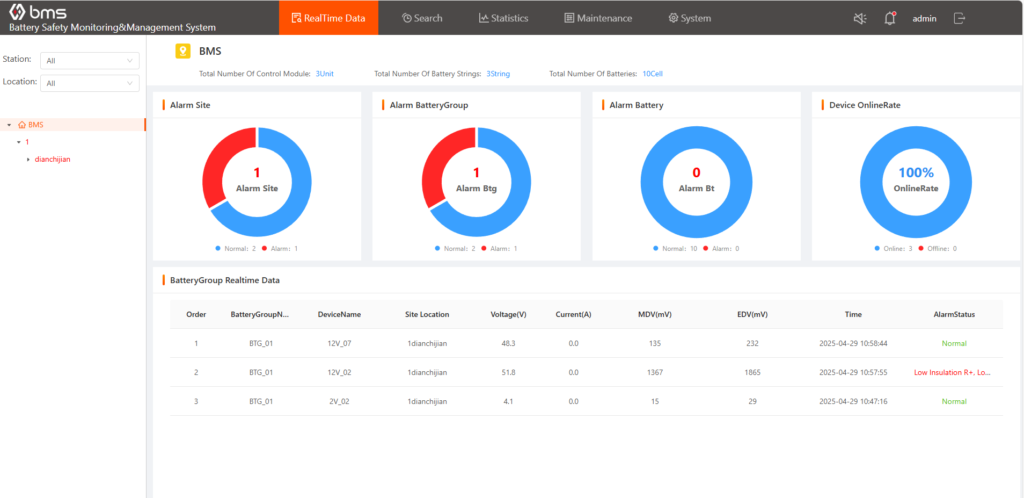
Apply a demo of Gerchamp’s Cloud Platform
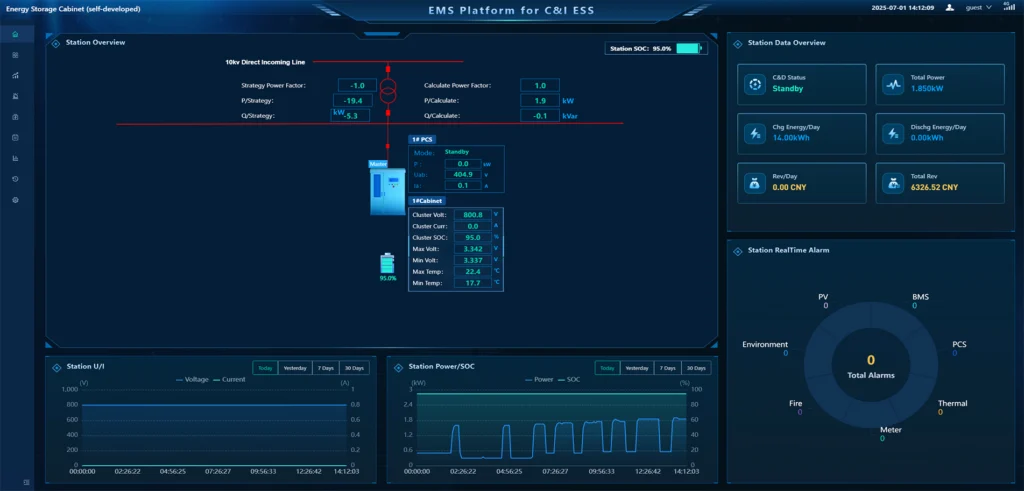
Apply a demo of Gerchamp’s Cloud Platform
 Gerchamp